


Pepper – Spice in cuisine and medicine in medicine

Pepper – Spice in cuisine and medicine in medicine
Each of us knows that pepper is a spice that is used a lot and is a typical spice that creates a pungent flavor for dishes. Originating from India since ancient times, pepper is an indispensable spice for dishes. Besides, pepper is also used to treat diseases in traditional medicine, very effective. Today, let’s learn more about this special spice!
Pepper classification
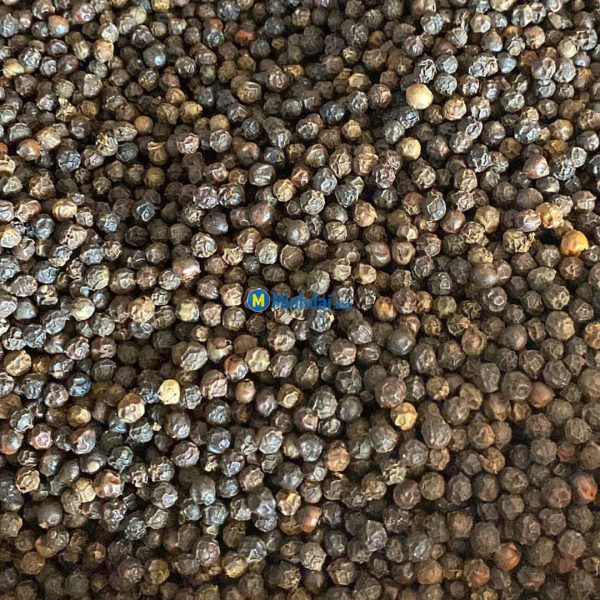
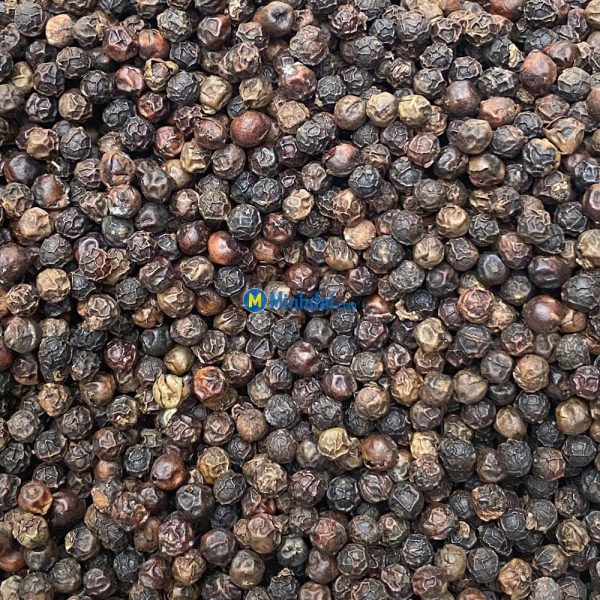
There are two common types of pepper, which are black pepper and white pepper (skull pepper). In addition to the color difference, these two types of pepper have a slight difference in taste. Detail:
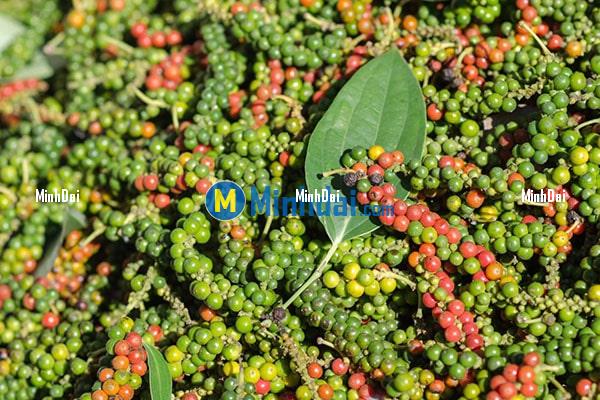
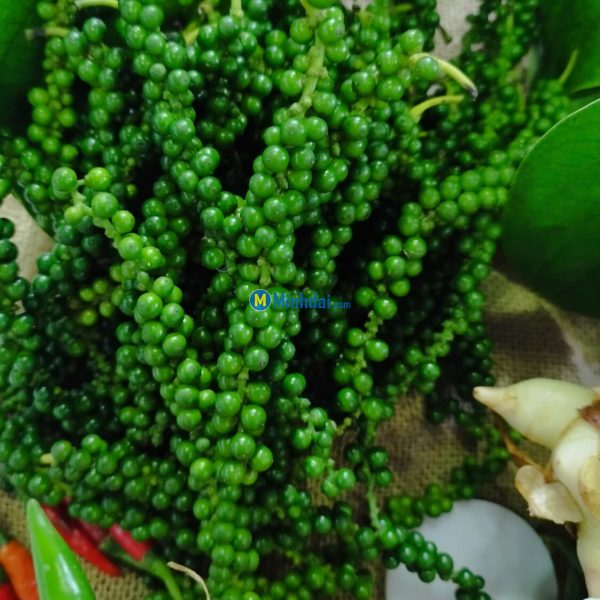
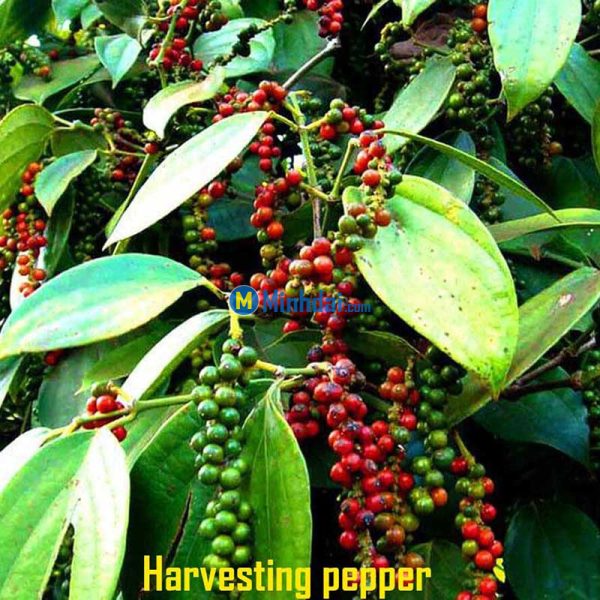
Green pepper:
Depending on the harvest time of pepper, we can have this green pepper. Green pepper, black pepper and white pepper with 1 plant.
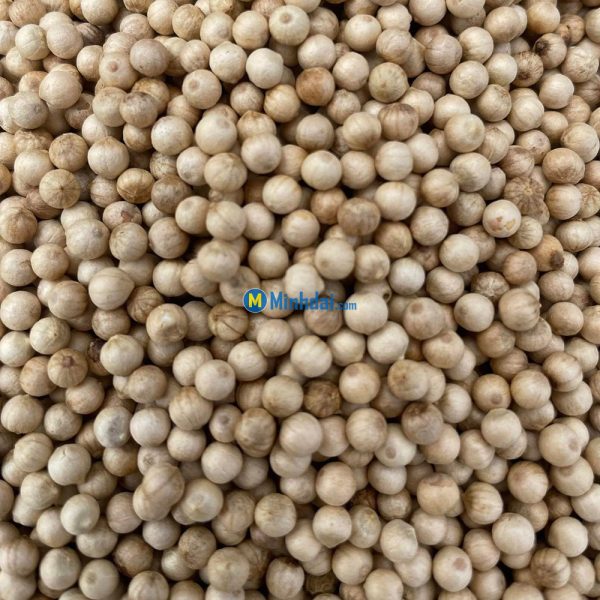
White pepper (skull pepper):
This pepper has a slightly mild flavor, but has a strong spicy taste. Can be used as a seasoning for cooking meat and sautéing vegetables.

Black pepper:
Again has a rich flavor, has a taste-modifying effect that makes us feel good when eating. Black pepper is mainly used to cook or stock meat dishes, especially beef.
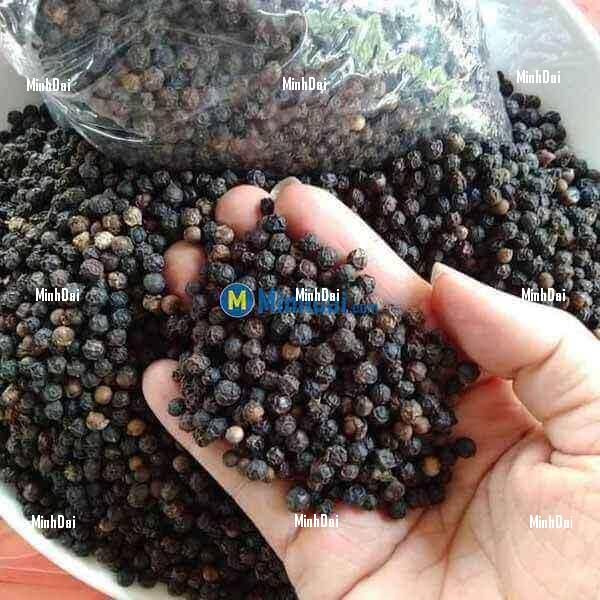
Red pepper:
A type of pepper that is ripe or harvested when very old, matured and then processed in a special way to keep the red color of the skin. Red pepper has a crimson color with a slightly blackish color
In addition, pepper is also processed into many types: salt pepper, green pepper, dehydrated green pepper, red pepper…
Pepper – The power of food
Why is pepper the most loved spice in the world? In the dish, pepper is likened to a “gentleman”, not overwhelming the taste of other ingredients but also creating an environment for other ingredients to stand out.
Pepper contains piperine, which makes it easier for the human body to absorb nutrients from food. Pepper is not as spicy as chili, but it is enough to clear the nose with a pleasant scent spreading in the palate.
Pepper – Spice in cuisine and medicine in medicine
In Vietnamese cuisine, pepper seasoning is indispensable in braised dishes: braised meat with pepper, fish with pepper… Although simple, but without it, the dish will lose its rich taste as well as the essence of the dish.
Note when using pepper as a seasoning
– Regardless of whether black pepper or white pepper is not fried / fried, fried in oil at high temperature. Only when the dish is about to come out on the plate, do you add the pepper.
– Black pepper contains more volatile aromatic oils than white pepper, when cooked with meat, it should not be cooked for too long to avoid losing the aroma. When storing, fresh pepper can be stored in the refrigerator, powdered pepper should be kept in a closed container, avoiding sunlight and moisture, and should not be left for too long.
Pepper – Spice in cuisine and medicine in medicine
– Salt pepper, green pepper, dehydrated green pepper, red pepper… can be added to food before cooking. These types, when processed into commercial products, often have the manufacturer’s instructions for use on the package.
Pepper – Spice in cuisine and medicine in medicine
Pepper – “Black gold” in medicine
In the Middle Ages, pepper was highly valued as a kind of “black gold” that only the wealthy could afford to own. Because pepper is not only a spice, it also has many medicinal uses.
Removal of cold air:
Used for diseases such as stomach pain, vomiting due to cold stomach and even abdominal pain due to cold stomach. People with cold stomachs when eating cold foods should best sprinkle some white pepper to eliminate cold and prevent cold.
Increase appetite:
Sobering up, aperitif, using pepper powder to adjust the taste of the dish will increase appetite, have the effect of treating anorexia, loss of appetite and bad digestion.
Pepper – Spice in cuisine and medicine in medicine
Nervous system stimulation: Pepper has been shown to stimulate the nervous system, blood circulation, keeping hands and feet warm when cold and the mucous membranes of the nose. Patients with respiratory failure often need gas to clear their nasal passages.
However, pepper is hot, even hotter than hot pepper, people with heat or inflammation should limit use or temporarily should not use it.
Pepper is just a cheap everyday spice, but the benefits it gives are not cheap!