


Pepper: Classification and identification

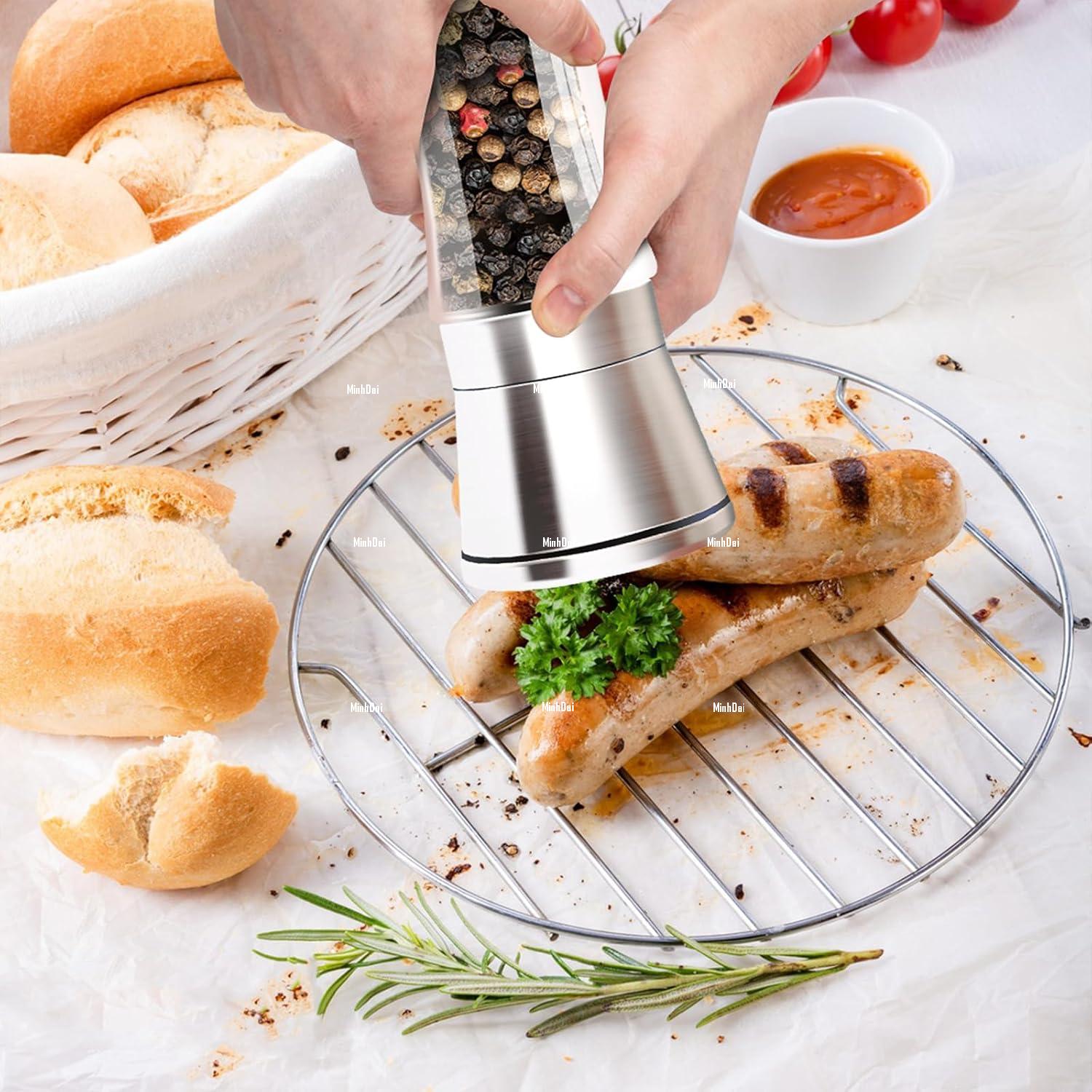
Pepper: Classification and identification
Pepper seeds can be classified based on various criteria, including origin, size, color, and quality grade. Here are some common classifications of pepper seeds:
-
Based on origin:
- Black Pepper (Piper nigrum): The most popular type of pepper used worldwide.
- White Pepper (Piper nigrum): Black pepper seeds with the outer husk removed.
-
Based on size:
- Bold Pepper: Large-sized seeds, often used for industrial purposes and in professional kitchens.
- Light Pepper: Smaller-sized seeds, commonly used for household and domestic cooking.
-
Based on color:
- Black Pepper: Characterized by its black color, it is the most commonly used type of pepper.
- White Pepper: White in color, typically the peeled version of black pepper.
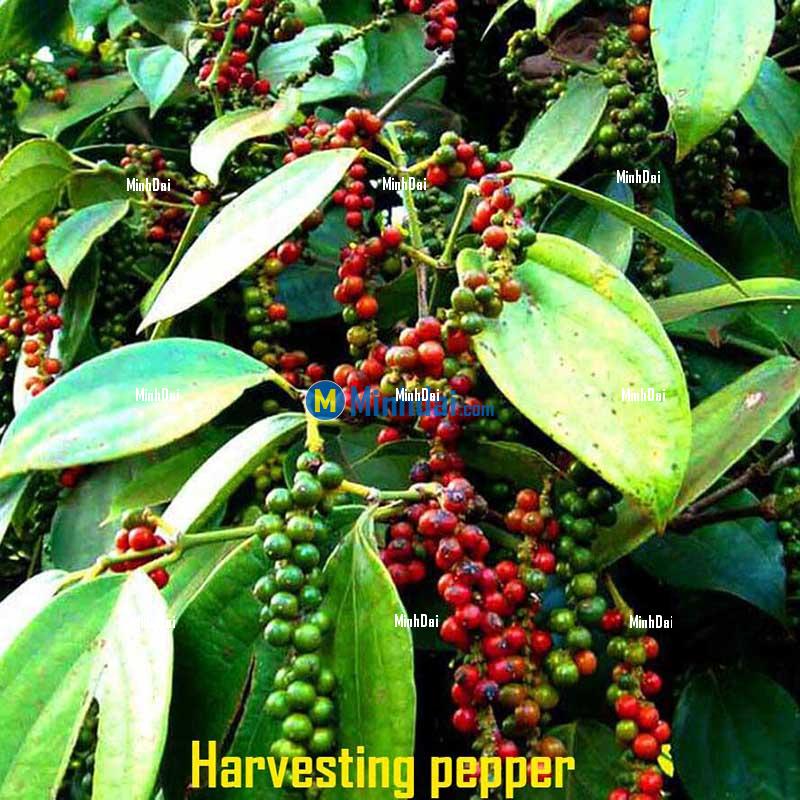
- Red Pepper: Red in color, considered a higher-grade variety of pepper.
-
Based on quality grade:
- Grade 1 Pepper: The highest-quality pepper, with uniform seeds, no damaged seeds, and no impurities.
- Grade 2 Pepper: Relatively good quality, with minimal damaged seeds and impurities.
- Grade 3 Pepper: Lower quality, may have more damaged seeds or impurities.
However, it’s important to note that the classification of pepper seeds may vary depending on the regulations and standards of each country or industry using them.

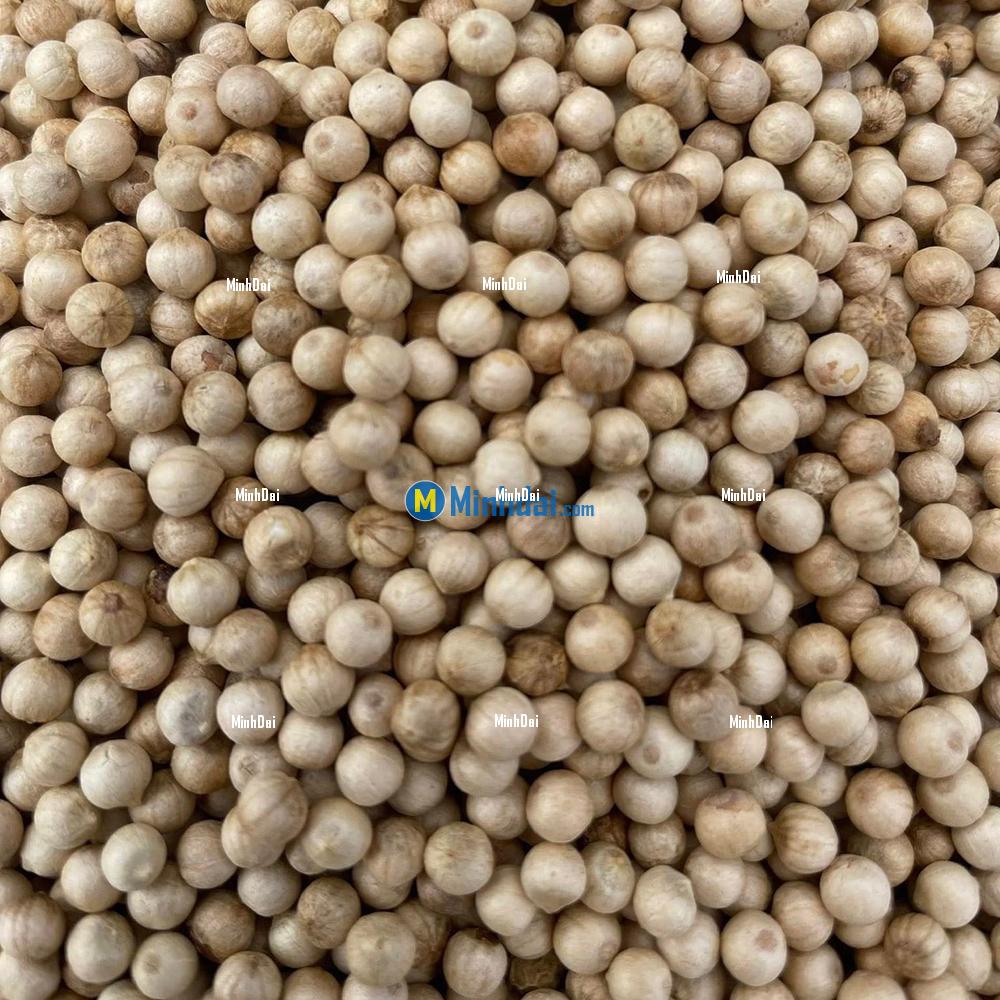
How to identify the quality of pepper?
To determine the quality of pepper seeds, you can consider the following factors:
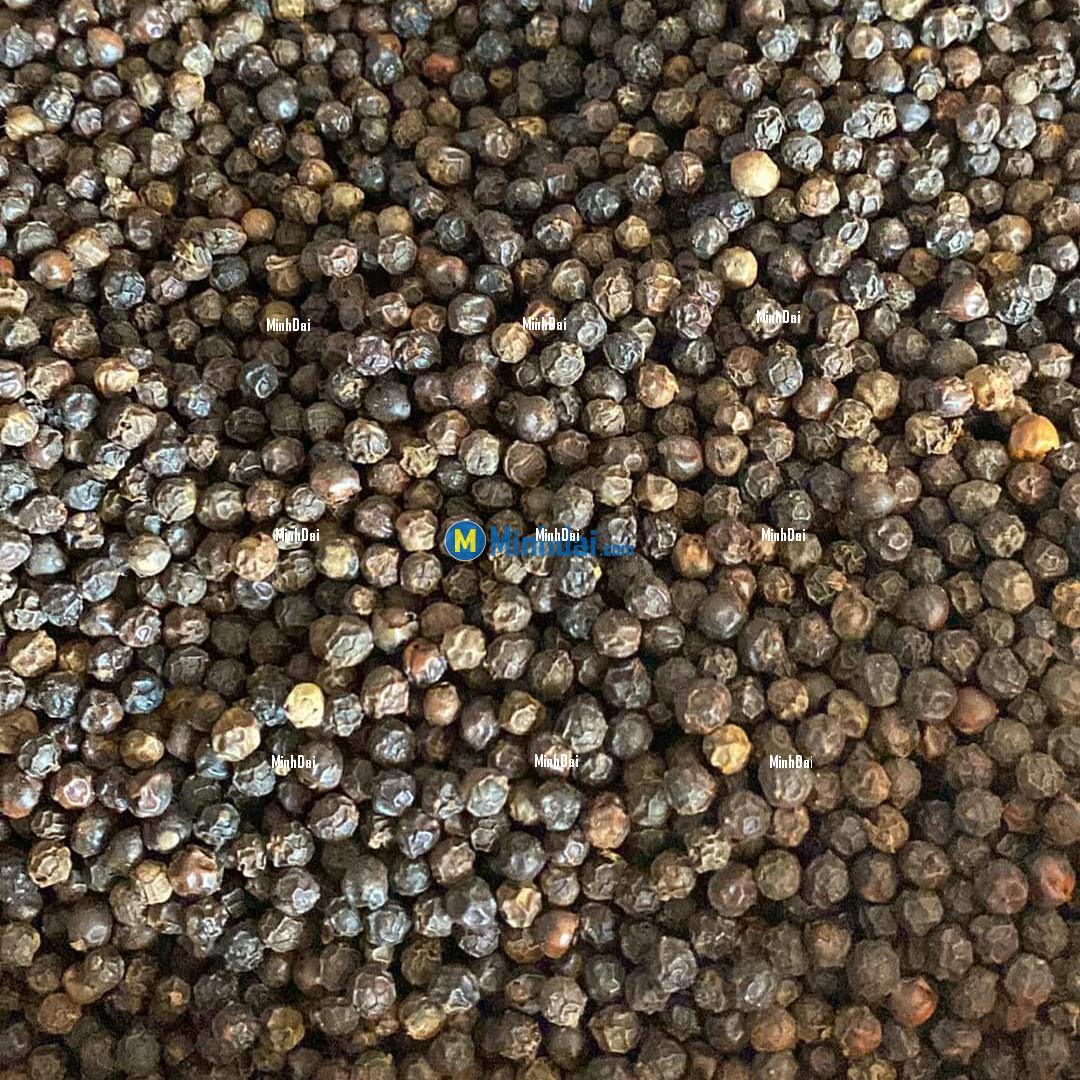
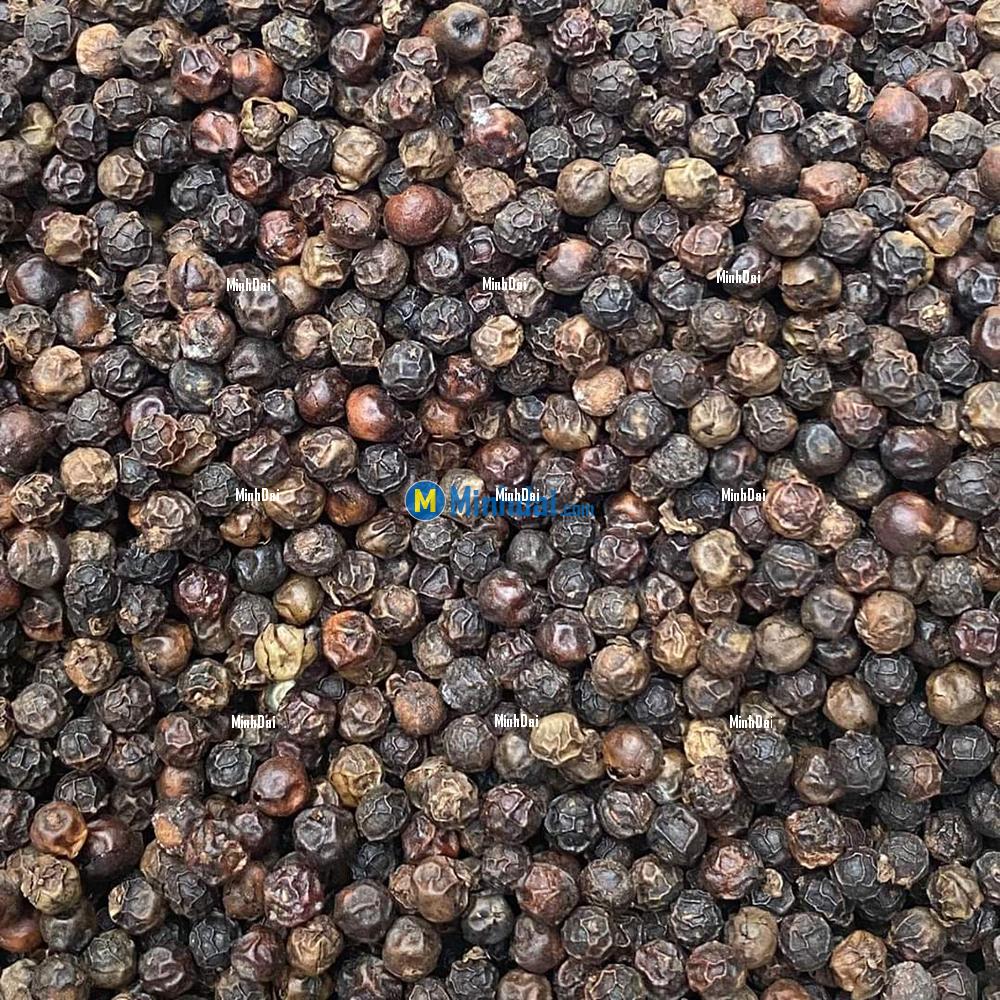
- Size and shape: The quality of pepper seeds is often evaluated based on their size and shape. High-quality pepper seeds tend to have uniform size and attractive shape without deformities or distortions.
- Color: The color of the pepper seeds can also indicate their quality. Black pepper seeds are the most common and have a distinct black color. White pepper seeds are typically peeled from black pepper and have a white color. Red pepper seeds are often considered a premium variety.
- Flavor and aroma: The quality of pepper seeds can be assessed through their flavor and aroma. High-quality pepper seeds have a rich, pungent flavor and distinctive aroma. Poor-quality seeds may have an unusual odor or lack of flavor.
- Moisture content: High-quality pepper seeds should have low moisture content and be dry. High moisture can lead to seed spoilage and create favorable conditions for mold growth.
- Impurities: Inspect the pepper seeds for any impurities such as husk fragments, damaged seeds, dirt, or other foreign matter. High-quality pepper seeds typically have minimal impurities.
Furthermore, purchasing pepper seeds from reputable sources, trusted suppliers, and certified brands can help ensure the quality of the product.
However, for a more accurate assessment of pepper seed quality, professional and reliable testing methods, including chemical and microbiological analysis, may be necessary.
Pepper: Classification and identification