


22
Th3
Pepper prices on March 22, 2025: Domestic declines
-
By
 anphuhung17

(VAN) Pepper prices on March 22, 2025, recorded mixed movements. The domestic market decreased by VND 500/kg, ranging from VND 159,000 to VND 160,000/kg.

21
Th3
Pepper prices on March 20, 2025: Slight decline domestically
-
By
anphuhung17
(VAN) Pepper prices on March 20, 2025, saw a slight decline, ranging at VND 159,000 to VND 160,500/kg. The global market also experienced mixed fluctuations.
19
Th3
Pepper prices on March 19, 2025: Strong increase domestically
-
By
anphuhung17
(VAN) Pepper prices on March 19, 2025, recorded a strong increase domestically, continuing the upward trend, ranging from VND 159,000 – 161,000/kg.
18
Th3
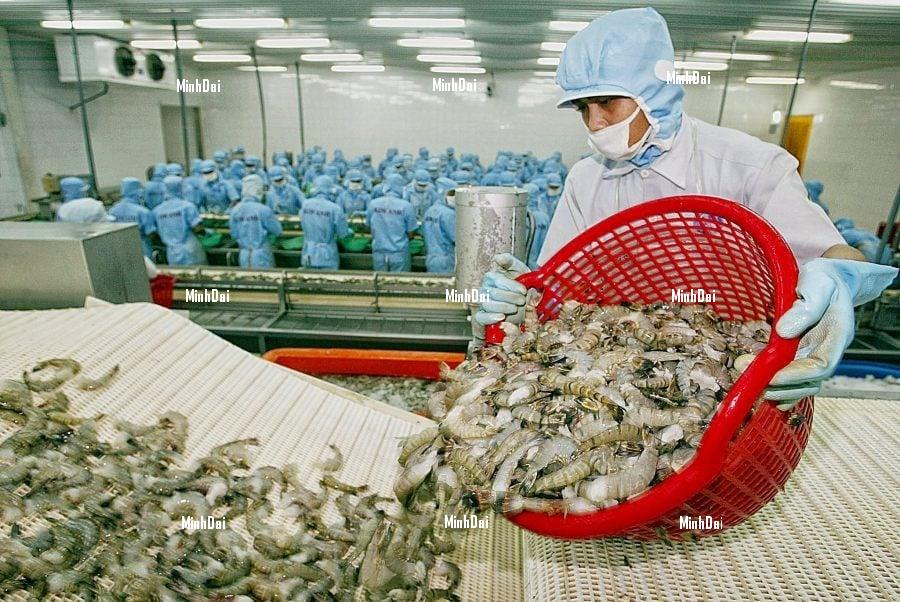
Shrimp exports may maintain high prices throughout 2025
-
By
anphuhung17
(VAN) Increased demand in emerging markets combined with stable supply in key farming areas will help Vietnam maintain its export performance in the coming time.
16
Th3
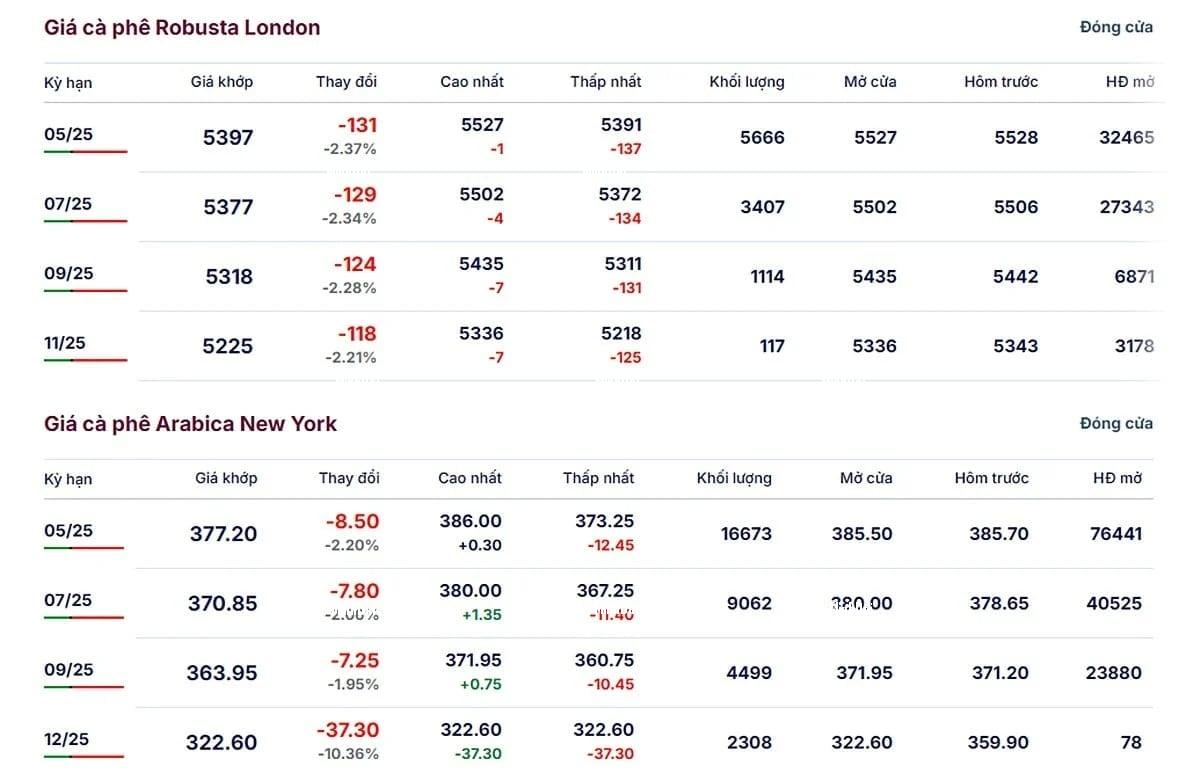
Coffee prices on March 15, 2025: The market drops sharply
-
By
anphuhung17
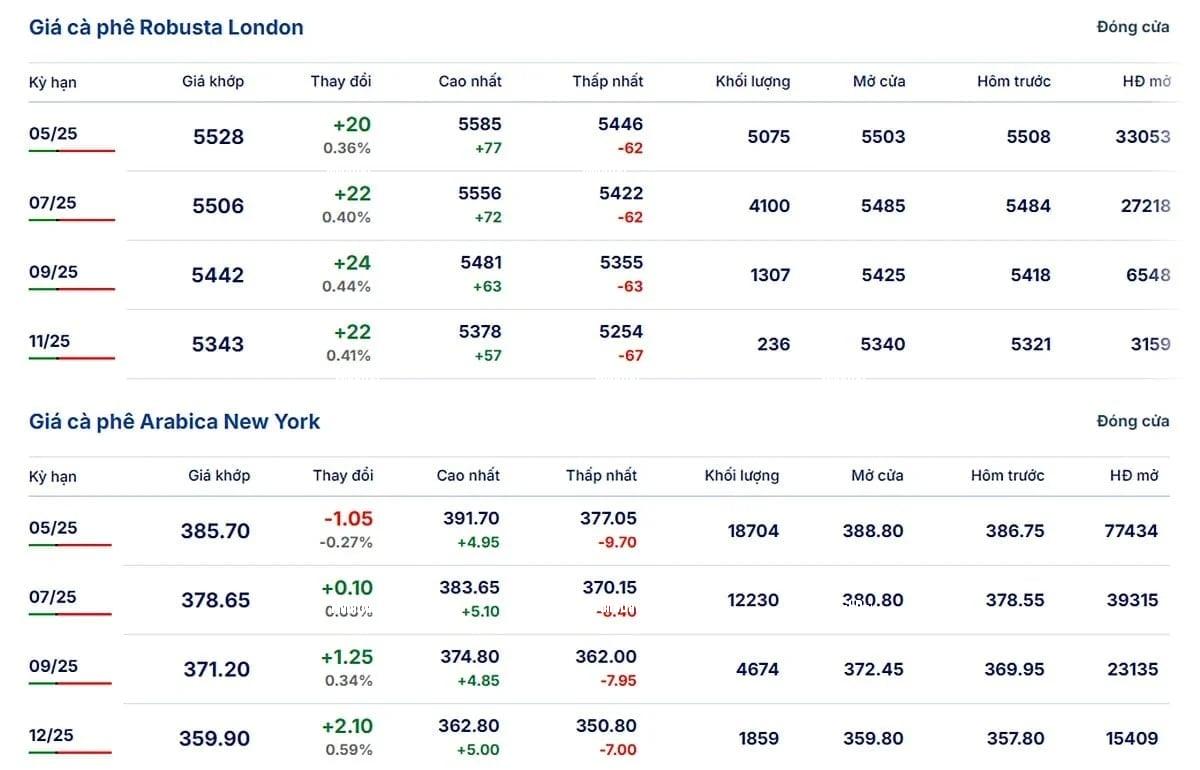
(VAN) Coffee prices on March 15, 2025, fell by more than 2% globally. Domestic coffee prices dropped by VND 1,500, trading around VND 130,000 – 132,000/kg.
15
Th3
Coffee prices on March 14, 2025: Slight increase again
-
By
anphuhung17
(VAN) Coffee prices on March 14, 2025, have slightly increased. Domestic coffee prices have risen by VND 400, reaching the range of VND 131,600 – 133,500/kg.

13
Th3
Coffee prices on March 13, 2025: Global market drops significantly
-
By
anphuhung17
(VAN) Coffee prices on March 13, 2025, have turned downward. Domestic coffee prices have dropped by VND 500, trading in the range of VND 131,500 – 133,000/kg.

12
Th3
Pepper prices on March 11, 2025: Domestic market drops sharply
-
By
anphuhung17
(VAN) Pepper prices on March 11, 2025, saw little fluctuation in the global market. Domestic pepper prices dropped sharply by nearly VND 3,000.
10
Th3
FAO Food Price Index rises in February
-
By
anphuhung17
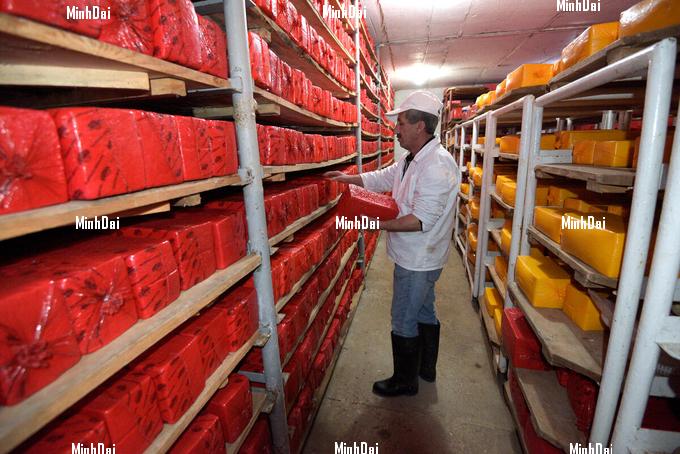
(VAN) Higher sugar, dairy, and vegetable oil prices drive the overall increase.
07
Th3
Fertilizer prices could become a concern amid tariffs
-
By
anphuhung17
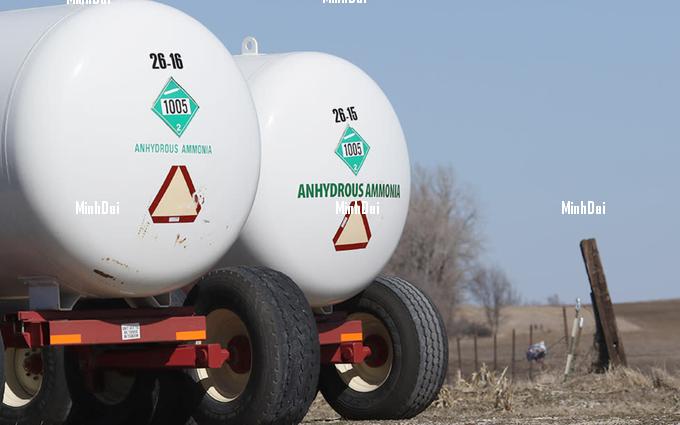
(VAN) Experts warn the price of groceries may rise because of the tariffs imposed Tuesday on Canada, Mexico and China, but before the produce lands on shelves, farmers will be affected first.