


Coffee: Sorting and identifying quality

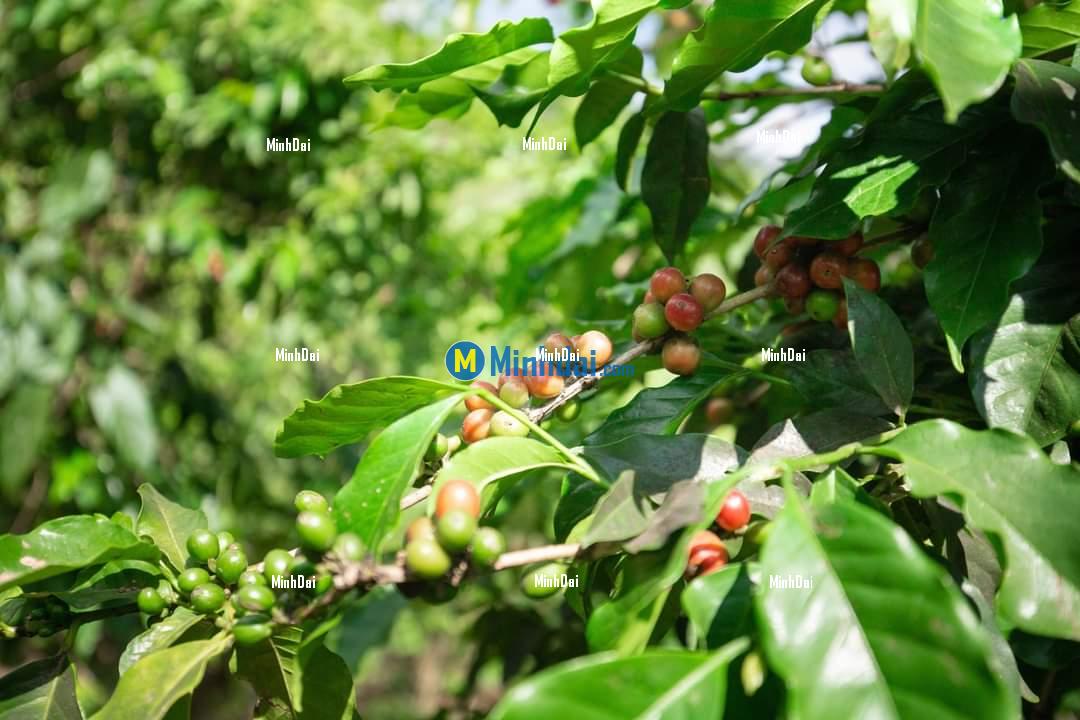
Coffee: Sorting and identifying quality
Classification of coffee
Coffee can be classified based on various factors, including origin, processing method, roast level, and flavor profile. Here are some common classifications of coffee:
-
Based on origin:
- Arabica Coffee: The most popular type of coffee, originating from regions like Brazil, Colombia, and Ethiopia. Arabica coffee is known for its delicate flavor, smoothness, and higher natural acidity.
- Robusta Coffee: The second most important type of coffee after Arabica, mainly sourced from countries like Vietnam, Brazil, and Indonesia. Robusta coffee has a strong, bitter taste and contains more caffeine than Arabica.
-
Based on processing method:
- Whole Bean Coffee: Coffee that is roasted and packaged as whole beans without being ground beforehand. It provides the flexibility to customize the grind size when brewing.
- Pre-ground Coffee: Coffee that has been pre-ground and packaged for convenient use. It can come in different grind sizes, such as coarse, medium, or fine, to suit different brewing methods.
-
Based on roast level:
- Light Roast Coffee: Coffee roasted lightly, with light-colored beans and a delicate flavor profile that preserves the natural characteristics of the coffee beans.
- Medium Roast Coffee: Coffee roasted to a medium level, with medium-brown beans that offer a balance between sweetness and bitterness.
- Dark Roast Coffee: Coffee roasted to a dark level, with dark brown or black beans that result in a bold, intense flavor, with less acidity.
-
Based on flavor profile:
- Plain Coffee: Coffee with a simple, unflavored taste, without any added blends or spices.
- Flavored Coffee: Coffee that has been infused with flavors like vanilla, chocolate, caramel, or other natural additives to enhance the taste and provide flavor variety.
Coffee classifications may vary based on regulations and market practices in each country or region. Additionally, there can be different classification systems established by coffee organizations and associations to evaluate the quality and characteristics of each coffee type.
How to identify the quality of coffee beans?
To determine the quality of coffee beans, you can consider the following indicators:
- Origin: Coffee beans sourced from renowned coffee-growing regions are often associated with higher quality. Countries like Brazil, Colombia, Ethiopia, and Costa Rica are known for producing high-quality coffee.
- Bean Appearance: High-quality coffee beans tend to have a uniform shape and size. They should be free from defects, such as cracks, holes, or insect damage. The beans should also have a consistent color, depending on the roast level.
- Aroma: The aroma of freshly roasted coffee beans can indicate their quality. Good-quality coffee beans have a strong, pleasant aroma that is specific to their origin and roast level. The aroma should be enticing and fragrant.
- Roast Level: The roast level can affect the taste and quality of coffee beans. Different roast levels, such as light, medium, or dark, offer distinct flavor profiles. Choose beans that have been roasted to the desired level based on your preference.
- Flavor Profile: When brewed, high-quality coffee beans should produce a well-balanced and flavorful cup of coffee. The taste should be free from any unpleasant or off flavors. Look for beans with complex flavor notes that are characteristic of their origin and processing method.
- Acidity: Acidity is an important aspect of coffee quality. Well-balanced acidity adds brightness and liveliness to the coffee’s flavor. It should not be overly harsh or too low, as it can affect the overall taste experience.
- Freshness: Freshly roasted coffee beans are generally of higher quality. Look for beans that have been recently roasted and stored properly to maintain their freshness. Avoid beans that are past their expiration date or have been exposed to excessive moisture or oxygen.
- Reputation and Certifications: Consider purchasing coffee beans from reputable brands or specialty coffee roasters with a good track record. Look for certifications such as Fair Trade, Organic, or Rainforest Alliance, which can be indicators of quality and ethical sourcing practices.
Remember that personal taste preferences play a significant role in determining the perceived quality of coffee. Experiment with different coffee beans and brewing methods to find the ones that suit your preferences and offer a satisfying coffee experience.