


How to compare pepper quality

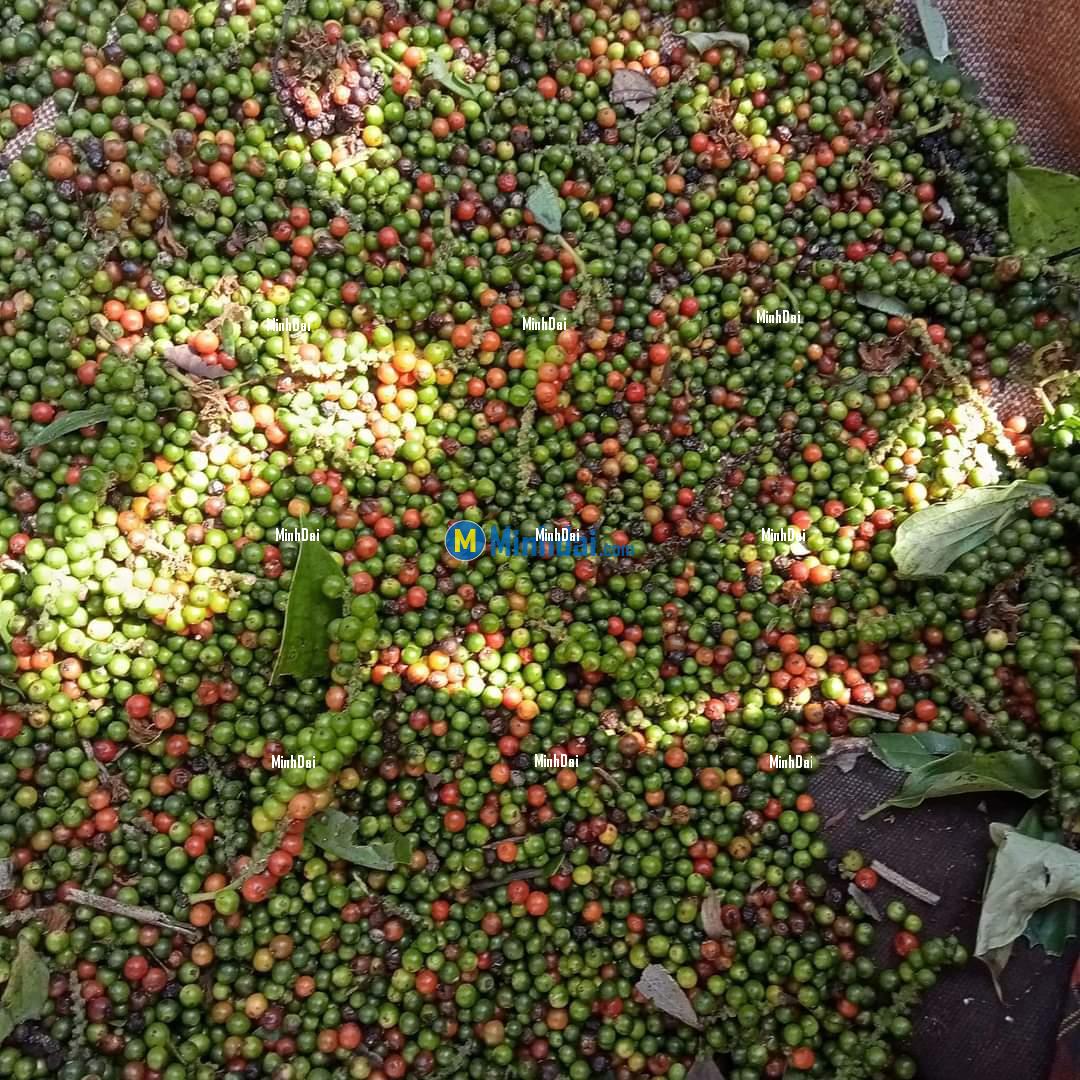
How to compare pepper quality
Pepper is one of the most important spices in cuisine, and Vietnamese pepper is considered one of the top quality peppers in the world. Quality pepper and clear origin not only create a unique taste, but also ensure food safety and nutritional value. Here are the scientific facts and figures on how to select quality pepper and promote the quality of Vietnamese pepper:
Selection of quality pepper:
Origin: Vietnam is one of the leading pepper producing countries in the world, accounting for about 34% of the total world pepper production. Famous pepper growing regions such as Phu Quoc, Ba Ria – Vung Tau, Gia Lai, and Dak Nong all have ideal natural and climatic conditions for the production of high quality pepper.
Percent Spicy: High-quality pepper typically has a 5% to 6% spicy percentage. This ensures the characteristic spicy flavor and freshness of the pepper.
Quality control: Top pepper producers often apply strict quality control procedures to ensure that their peppers are not cracked, mold free and have the proper moisture content (around 11% to 13%). ).
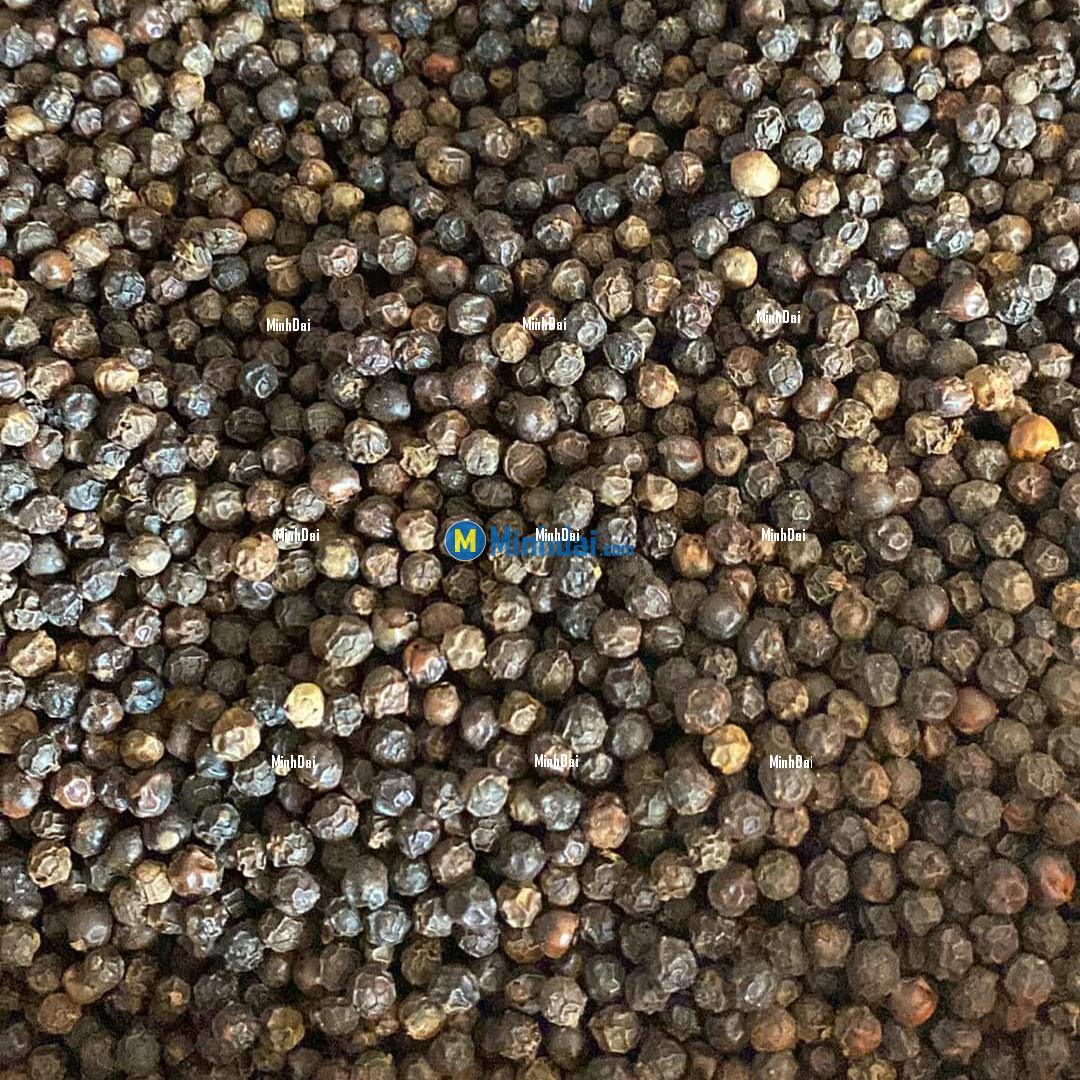

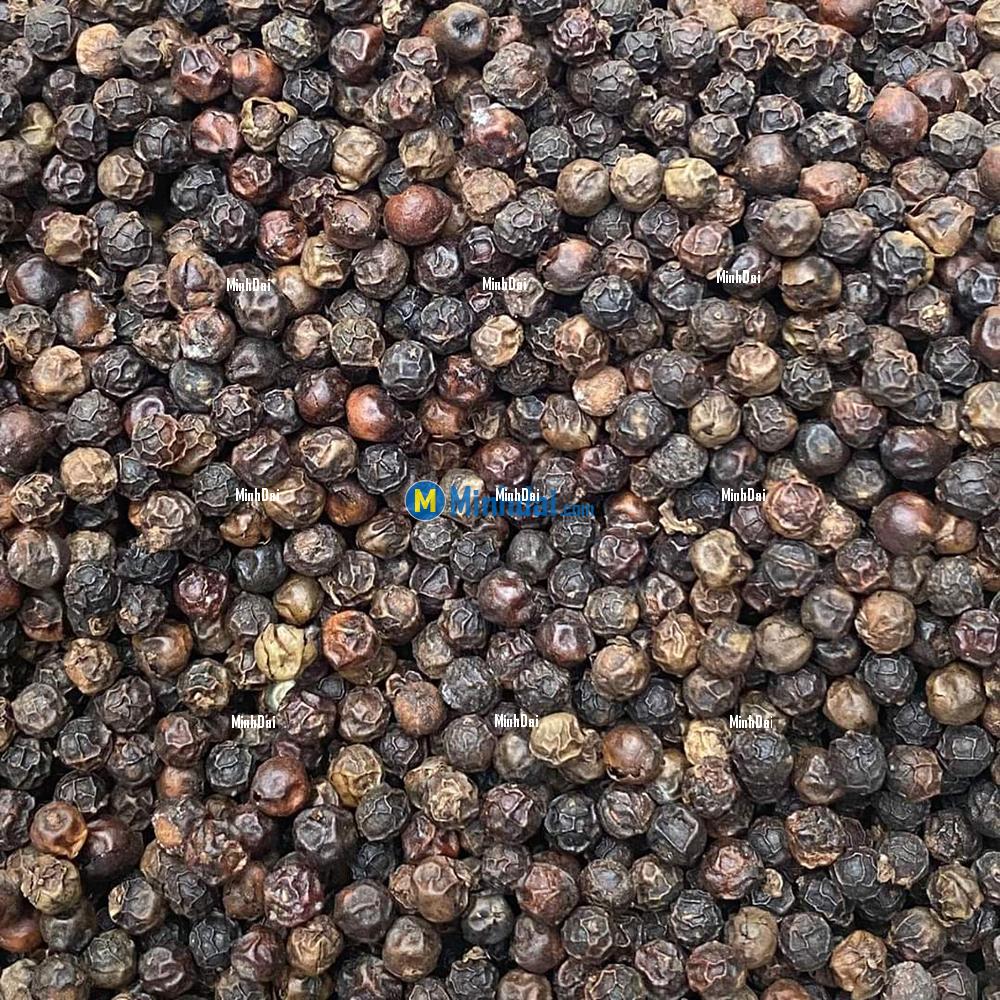
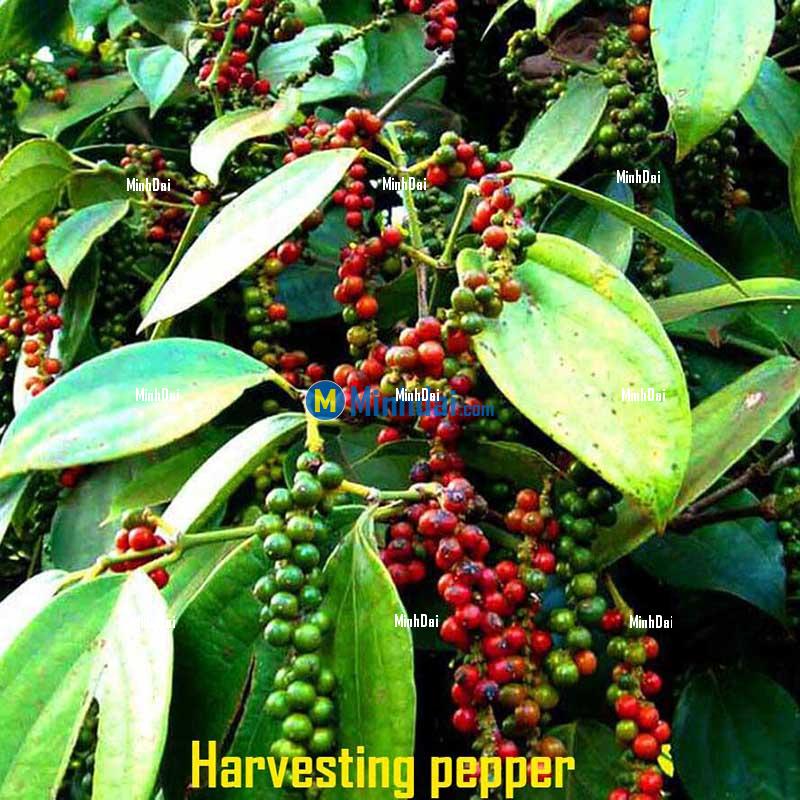
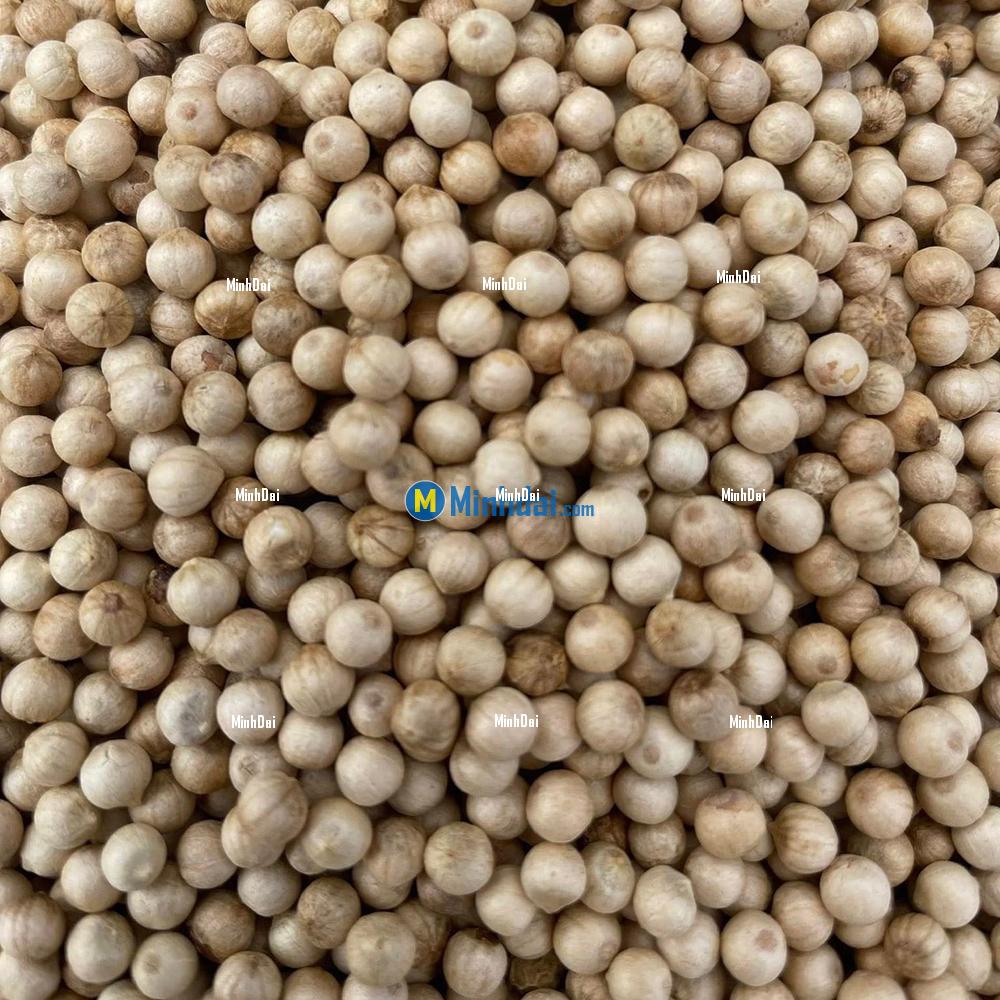
Comparing the quality of Vietnamese pepper with other countries in the world
Vietnamese pepper has affirmed its position in the international market thanks to its unique and reliable pepper quality. Here are some specific figures comparing the quality of Vietnamese pepper with other countries in the world:
Percent spicy:
Vietnamese pepper: Vietnamese pepper usually has a spicy percentage ranging from 5% to 6%. This creates the characteristic spicy flavor and accentuates the deliciousness of the pepper.
Indian pepper: Indian pepper has a spicy percentage from 6% to 7%, slightly surpassing Vietnamese pepper.
Indonesian pepper: Indonesian pepper usually has a spicy percentage from 7% to 8%, higher than Vietnamese pepper.
Flavors and aromas:
Vietnamese pepper: Vietnamese pepper is appreciated for its unique taste and characteristic aroma.
Brazilian pepper: Brazilian pepper has a quite special taste and aroma, but cannot be compared with Vietnamese pepper.
Chinese Pepper: Chinese pepper usually has a medium flavor and is not too prominent.
Size and shape:
Vietnamese pepper: Vietnamese pepper is usually uniform, not cracked, uniform in color and similar in size.
Cambodian Pepper: Cambodian pepper is usually larger in size and irregular in shape.
Origin and reputation:
Vietnamese pepper: Vietnam is one of the leading countries in pepper production, and Vietnamese pepper is considered to have a high reputation in the international market.
Madagascar pepper: Madagascar pepper is also famous but has not yet been appreciated as Vietnamese pepper.
Quality certifications:
Vietnamese pepper: Some Vietnamese pepper products have received international quality certifications such as ISO 9001:2015 Quality Management System and FSSC 22000 Food Safety Management System.
Chinese Pepper: Some Chinese pepper products have been questioned for their quality and food safety.
Based on the above data and information, it can be seen that Vietnamese pepper has a competitive and superior quality compared to many other countries in the world. The combination of a reasonable percentage of spiciness, unique flavor and reliable quality are important factors that help Vietnamese pepper maintain its leading position in the international market.